

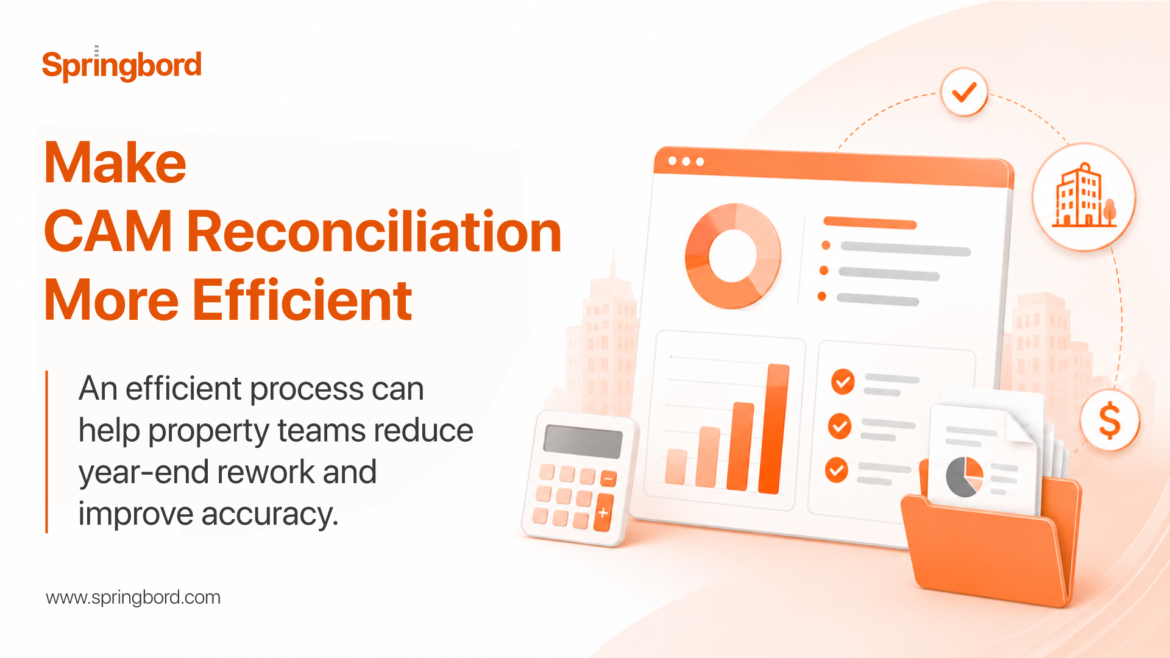

CAM reconciliation gets faster and more accurate when efficiency is built into four stages — accurate upfront budgeting, centralized data management all year, a streamlined year-end workflow, and ongoing measurement — rather than treated as a single year-end scramble. Ask any property manager what breaks down during CAM reconciliation season, and the answer is rarely
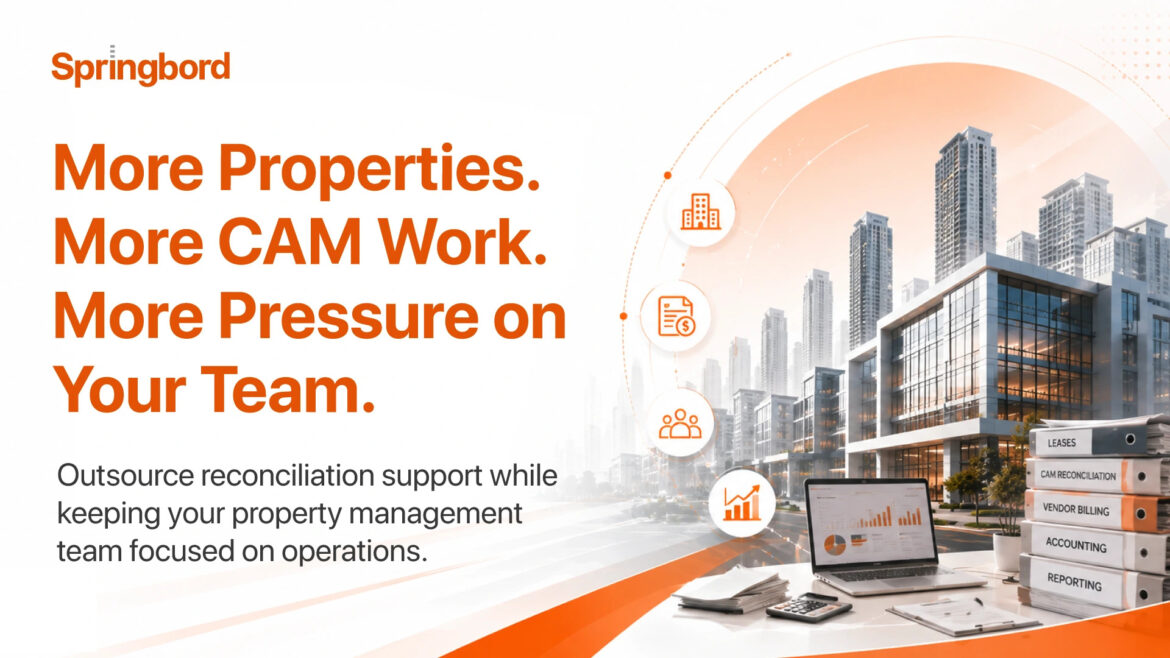
Managing commercial properties involves much more than keeping buildings operational. Property managers also have to coordinate tenant billing, lease requirements, operating expenses, owner reporting, vendor relationships, and financial deadlines. As the number of properties and tenants grows, CAM reconciliation can become a recurring workload that competes with these responsibilities. The pressure can become particularly noticeable
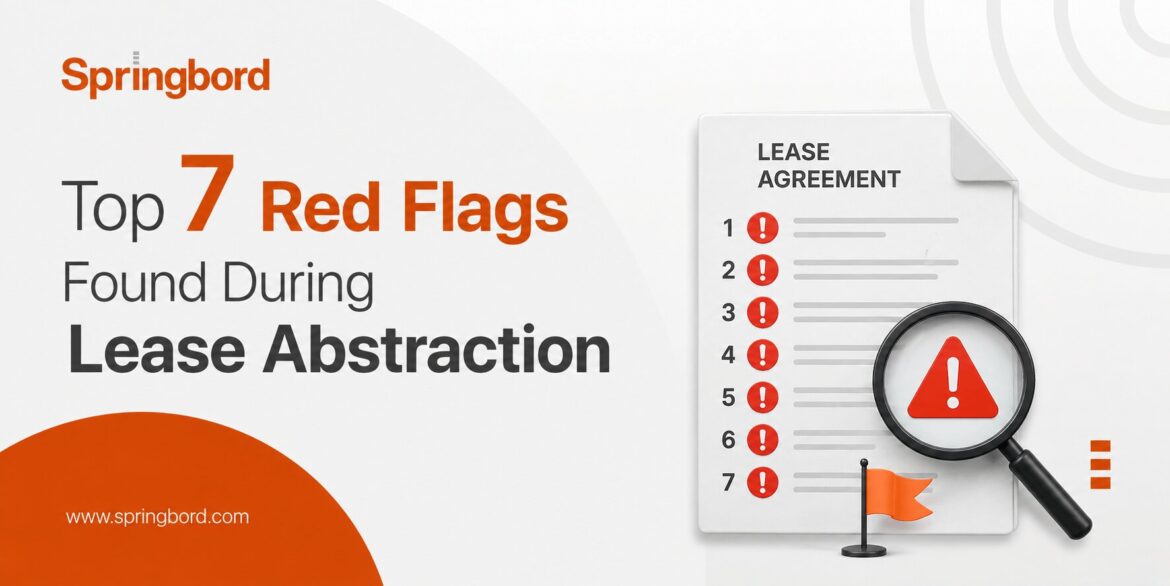

A commercial lease can run 60, 80, even 150 pages once you count the original agreement, every amendment, every side letter, and every exhibit. Buried in that stack are the numbers your finance, asset management, and legal teams rely on every day: rent escalations, CAM caps, renewal windows, termination triggers. When those numbers are wrong
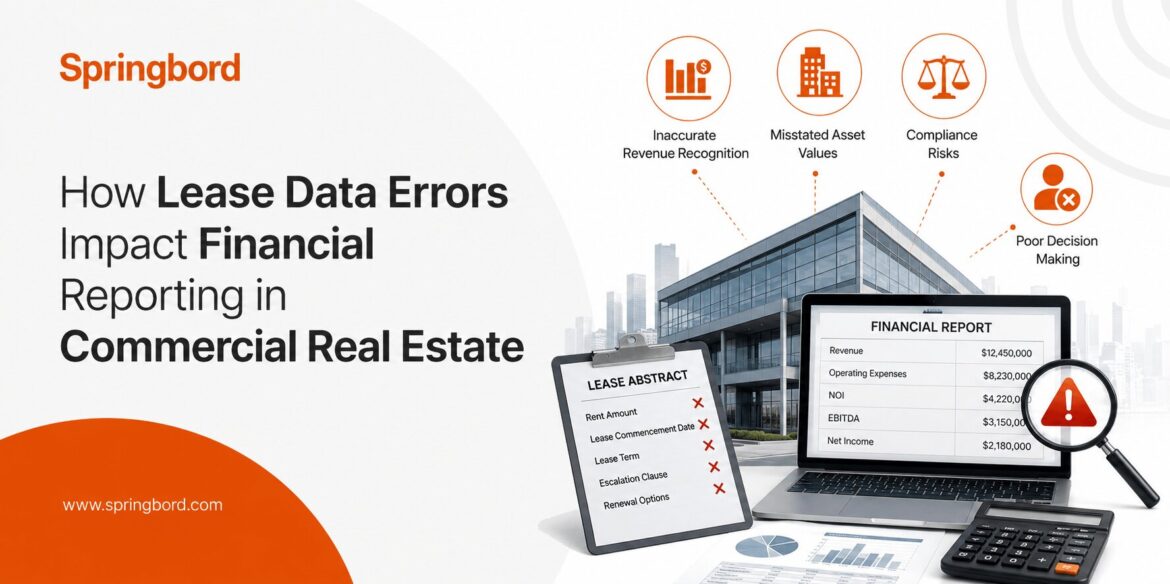
Accurate lease data is the backbone of sound financial reporting in commercial real estate. When this data is flawed, it can lead to significant distortions in key financial metrics such as Net Operating Income (NOI), affecting property valuations and investment decisions. Structured lease abstraction is a process that helps convert complex lease documents into clear,

Gaining clear visibility into your multi-property Commercial Real Estate (CRE) portfolio is paramount for strategic decision-making and financial health. Centralized lease abstracting and data management platforms are indispensable for consolidating all critical lease information into a single, easily navigable system. This is especially vital for owners managing numerous properties, as it enables precise tracking of
CAM recovery audits systematically compare billed common area maintenance charges against actual property expenses and underlying lease obligations to identify under-billed tenant contributions. By applying structured variance analysis and expense allocation validation, these audits uncover calculation errors, missed escalations, and unbilled capital expenditures. This forensic reconciliation mechanism allows commercial real estate portfolio managers to correct
Financial reporting errors in multi-property portfolios typically manifest as inconsistencies in the general ledger, misallocated intercompany transactions, and errors in Common Area Maintenance (CAM) reconciliations. These inaccuracies distort Net Operating Income (NOI) and obscure asset-level performance. Resolving these issues requires a standardized chart-of-accounts mapping, automated multi-entity consolidation, and strict audit protocols. Implementing scalable real estate
The primary difference between a CAM reconciliation and a CAM audit lies in their scope and objective. CAM reconciliation is an annual accounting process that aligns estimated tenant payments with actual property expenses to calculate end-of-year balances. Conversely, a CAM audit is an investigative review that scrutinizes the reconciliation process against lease documents to identify
How Can You Tell If CAM Expenses Are Inflated? CAM audits closely examine how tenant expenses are allocated to spot overcharges in commercial leases. Mistakes in calculating CAM expenses can lead to big financial differences, often slipping by if not checked thoroughly. Looking at how expenses are divided and comparing them with past data can
Lease visibility directly influences revenue and tenant retention by impacting decision-making and operational efficiency. Incomplete or inaccurate lease data can lead to missed revenue opportunities and decreased tenant satisfaction, ultimately affecting the bottom line. Organizations must recognize the importance of clear and precise data to optimize their revenue streams and maintain strong tenant relationships. The