


Many commercial real estate owners focus heavily on occupancy levels and rental income when evaluating Net Operating Income (NOI). However, an often overlooked factor that significantly affects NOI is the accuracy of Common Area Maintenance (CAM) reconciliation. When operating expenses are not properly aligned with lease clauses, property owners may fail to recover legitimate costs
CAM reconciliation becomes significantly more complex as commercial real estate portfolios grow. What works for a single building often fails when managing dozens of leases, expense pools, and tenant changes. CAM reconciliation errors increase as portfolios scale because manual data entry across disconnected spreadsheets cannot dynamically adjust to variable lease structures, such as gross-up provisions
This guide outlines best practices for performing Common Area Maintenance (CAM) reconciliation for multi-property commercial real estate portfolios to ensure accuracy, efficiency, and compliance. CAM reconciliation is crucial for multi-property commercial real estate portfolios due to the high volume of data and potential for errors. Accurate CAM reconciliations are essential for businesses managing multiple commercial
This guide explains why CAM reconciliation timelines often extend beyond expectations and details the strategies high-volume portfolios employ to accelerate these processes, improve tenant billing accuracy, and mitigate audit risks. Common Causes of CAM Reconciliation Delays CAM reconciliation timelines are frequently extended due to challenges in data management, reliance on manual processes, and communication inefficiencies.
The Common Area Maintenance (CAM) reconciliation process for 2026 involves verifying and adjusting tenant billings for actual operating expenses incurred for shared property areas, ensuring accuracy and fairness in lease agreements. This process is critical for maintaining positive landlord-tenant relationships, preventing financial disputes, and reducing audit risks. Common errors can arise from miscategorized expenses, incorrect
For multi-location retail chains, real estate is both a growth engine and a cost center. While expansion fuels revenue, managing occupancy costs across dozens, or even hundreds, of locations can quietly erode margins if left unchecked. Among these costs, Common Area Maintenance (CAM) charges are some of the most misunderstood, inconsistently applied, and difficult to
This guide helps you finalize your decision on CAM reconciliation and audit services. We provide a clear comparison of solutions, address common concerns, and offer expert insights to ensure accuracy and maximize your real estate investment’s profitability. You’ve diligently researched Common Area Maintenance (CAM) reconciliation and audit processes. You understand the critical role these functions
As audit season looms, managers and tenants alike in the commercial real estate world are eyeing one of the trickier items on their checklist, the common area maintenance (CAM) reconciliation. Whether you’re a landlord, property manager, or tenant, getting this process right is crucial. It’s about more than just balancing the books: it’s about transparency,
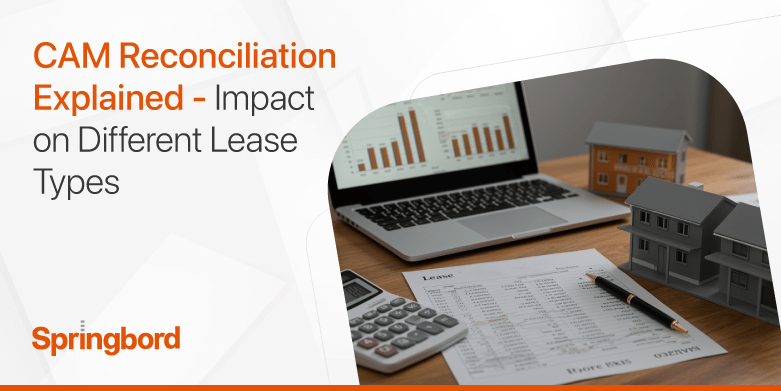

In commercial real estate, Common Area Maintenance (CAM) reconciliation is not just accounting; it’s a critical cost-control point for tenants and a compliance requirement for landlords. This is done by comparing the estimated CAM fees that tenants pay each month with the actual costs that the landlord has to pay to keep common areas like
Introduction For corporate tenants, the smallest oversight in lease abstraction can translate into substantial financial losses and operational disruptions. In today’s high-stakes commercial real estate market, the complexity of lease agreements, often spanning hundreds of pages with multiple amendments, has increased the risk of missing critical clauses, dates, and cost triggers. Gartner reported that 77%