



KEY TAKEAWAYS ✓ CAM reconciliation supports accurate expense recovery: Landlords can use CAM reconciliation to recover eligible operating expenses according to the terms of each commercial lease. ✓ Lease structure affects expense recovery: Lease terms determine how CAM and other operating expenses are allocated, reconciled, and recovered from tenants. ✓ Lease-specific provisions can affect final
KEY TAKEAWAYS ✓ CAM reconciliation directly affects NOI: Accurate recovery of eligible operating expenses helps protect property-level Net Operating Income and provides a more reliable view of asset performance. ✓ Recovery gaps can create revenue leakage: Misclassified expenses, incorrectly applied lease provisions, caps, exclusions, or gross-ups can leave recoverable income uncollected. ✓ Portfolio-wide consistency matters:
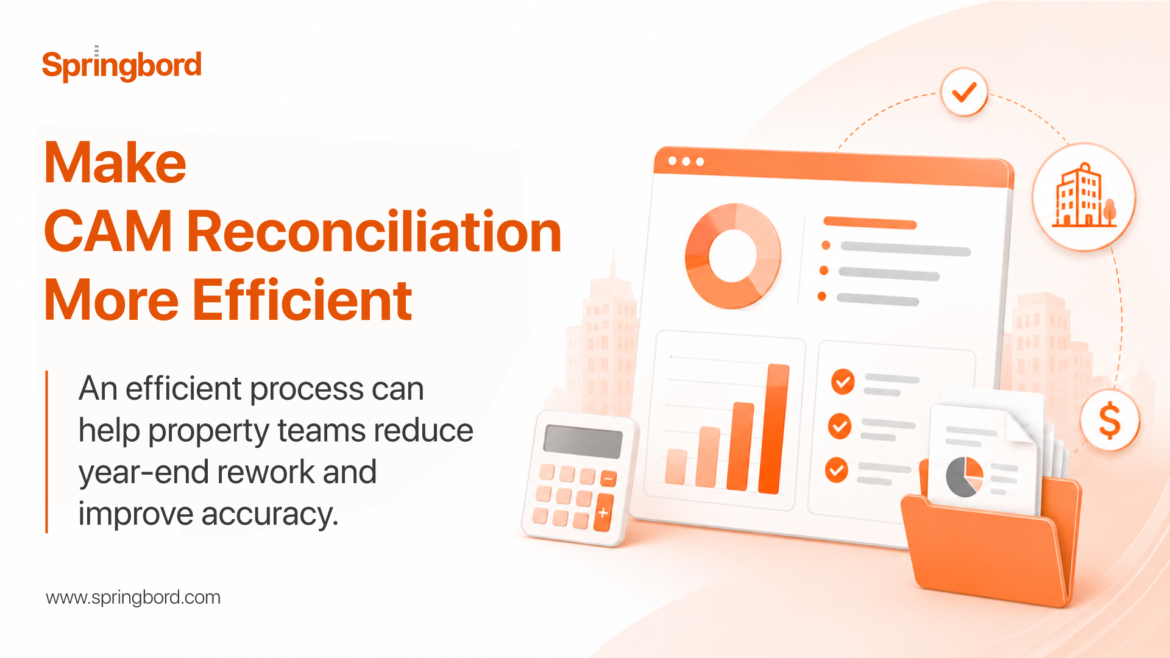
CAM reconciliation gets faster and more accurate when efficiency is built into four stages — accurate upfront budgeting, centralized data management all year, a streamlined year-end workflow, and ongoing measurement — rather than treated as a single year-end scramble. Ask any property manager what breaks down during CAM reconciliation season, and the answer is rarely
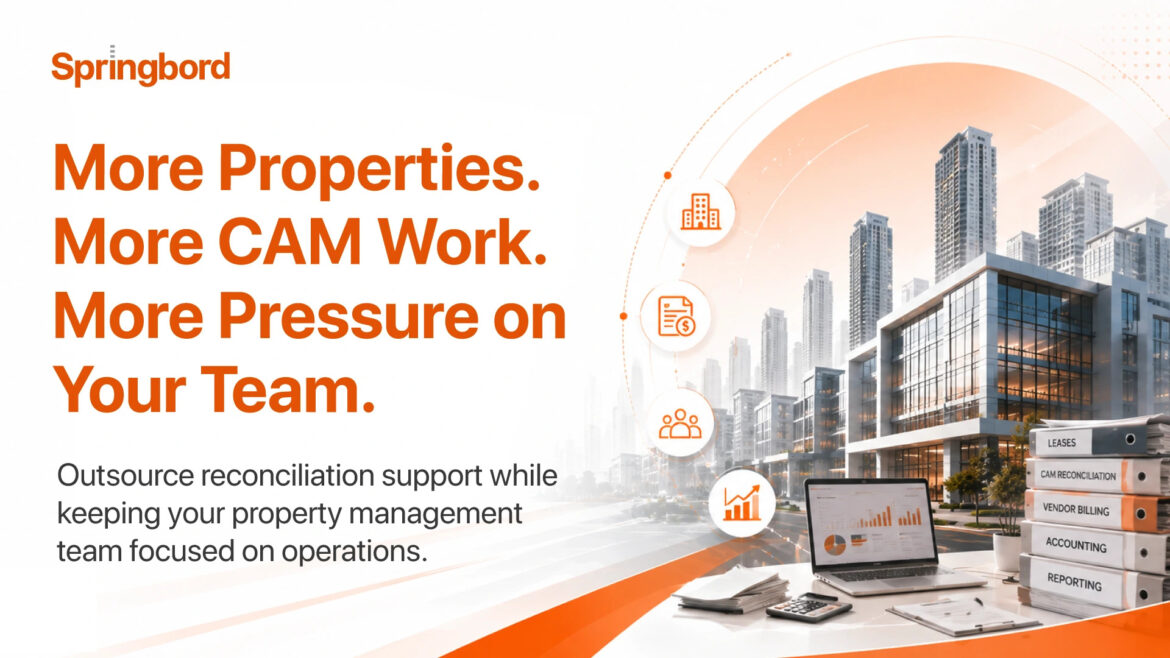
Managing commercial properties involves much more than keeping buildings operational. Property managers also have to coordinate tenant billing, lease requirements, operating expenses, owner reporting, vendor relationships, and financial deadlines. As the number of properties and tenants grows, CAM reconciliation can become a recurring workload that competes with these responsibilities. The pressure can become particularly noticeable


Financial reporting errors in multi-property portfolios typically manifest as inconsistencies in the general ledger, misallocated intercompany transactions, and errors in Common Area Maintenance (CAM) reconciliations. These inaccuracies distort Net Operating Income (NOI) and obscure asset-level performance. Resolving these issues requires a standardized chart-of-accounts mapping, automated multi-entity consolidation, and strict audit protocols. Implementing scalable real estate
The primary difference between a CAM reconciliation and a CAM audit lies in their scope and objective. CAM reconciliation is an annual accounting process that aligns estimated tenant payments with actual property expenses to calculate end-of-year balances. Conversely, a CAM audit is an investigative review that scrutinizes the reconciliation process against lease documents to identify
Many commercial real estate owners focus heavily on occupancy levels and rental income when evaluating Net Operating Income (NOI). However, an often overlooked factor that significantly affects NOI is the accuracy of Common Area Maintenance (CAM) reconciliation. When operating expenses are not properly aligned with lease clauses, property owners may fail to recover legitimate costs
CAM reconciliation becomes significantly more complex as commercial real estate portfolios grow. What works for a single building often fails when managing dozens of leases, expense pools, and tenant changes. CAM reconciliation errors increase as portfolios scale because manual data entry across disconnected spreadsheets cannot dynamically adjust to variable lease structures, such as gross-up provisions
This guide outlines best practices for performing Common Area Maintenance (CAM) reconciliation for multi-property commercial real estate portfolios to ensure accuracy, efficiency, and compliance. CAM reconciliation is crucial for multi-property commercial real estate portfolios due to the high volume of data and potential for errors. Accurate CAM reconciliations are essential for businesses managing multiple commercial
This guide explains why CAM reconciliation timelines often extend beyond expectations and details the strategies high-volume portfolios employ to accelerate these processes, improve tenant billing accuracy, and mitigate audit risks. Common Causes of CAM Reconciliation Delays CAM reconciliation timelines are frequently extended due to challenges in data management, reliance on manual processes, and communication inefficiencies.