



Managing receivables is more than just ensuring payments are collected, it’s about maintaining the financial health and stability of your business. From handling diverse client portfolios to navigating extended payment terms, real estate professionals face unique challenges that can strain cash flow and complicate operations. Quick Navigation: Challenge 1: Diverse Client Portfolios Challenge 2: Extended
Analyzing financial statements in real estate isn’t just about crunching numbers—it’s about gaining a deeper understanding of your assets, liabilities, and overall financial health. For business owners in the real estate sector, mastering key financial metrics is essential for making informed decisions that drive profitability and long-term growth. We will go over the important metrics
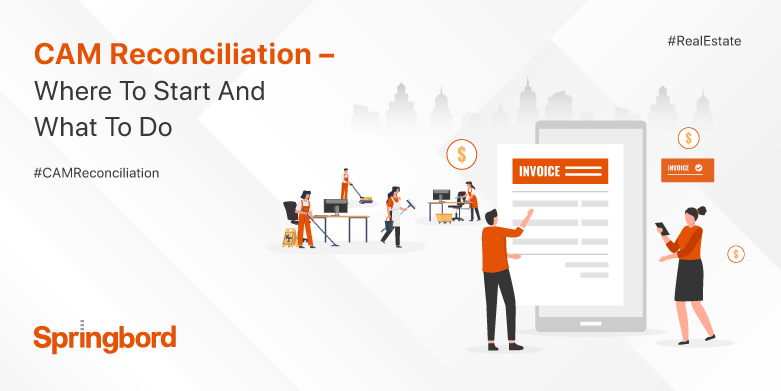
In commercial real estate, the true art lies not just in securing prime locations or closing profitable deals, but in the meticulous management of the unseen elements that keep these properties running smoothly. One such element, often overlooked but extremely important, is Common Area Maintenance (CAM) reconciliation. This process, while seemingly ordinary, can be the

Accurate accounts payable (AP) management is not only necessary but also essential to the financial stability and operational effectiveness of the real estate sector, where big sums of money and lots of transactions are the norm. However, the complexity of real estate transactions often leads to common AP errors that can have significant financial and

The precision and availability of lease data are more important than ever in the dynamic and ever-changing real estate industry. Business owners who manage extensive property portfolios know that the devil is in the details; overlooking even a minor clause in a lease agreement can lead to costly errors, regulatory fines, or missed opportunities. As

Every dollar matters in the fast-paced business world, and keeping profitability depends on controlling operating costs. One area that often goes unnoticed and unchecked is Common Area Maintenance (CAM) charges in commercial leases. While these charges are intended to cover shared property expenses, many business owners are unknowingly overpaying due to errors, uncertain lease terms,
Effective asset and liability management is essential for maintaining financial stability and optimising investment returns in the dynamic and frequently unpredictable world of real estate. This aspect of financial management involves tracking and balancing the properties and debts held by a real estate business. Proper management allows businesses to maximize the value of their assets

Efficient accounts receivable (AR) management is crucial for the financial health of real estate businesses. Proper management of AR directly impacts cash flow, profitability, and the overall economic stability of a company. This blog explores the significance of effective AR management. It highlights common mistakes to avoid, ensuring that business owners in the real estate

Maintaining a property’s safety, functionality, and appeal to renters is an essential part of managing a real estate investment. However, navigating the financial landscape of property maintenance expenses and accounts payable can be a significant challenge for property managers and owners. This blog delves into the intricacies of managing maintenance costs, optimizing accounts payable processes,

Lease abstraction plays a critical role in the precision, efficiency, and strategic insight required to manage a large portfolio of leases. This procedure improves operational efficiency and compliance while facilitating well-informed decision-making. It does this by condensing important information from comprehensive lease documents. Traditional manual methods, however, are often error-prone and inefficient. To overcome these